
Managing Knee Pain in Adolescent Athletes: A Case Example
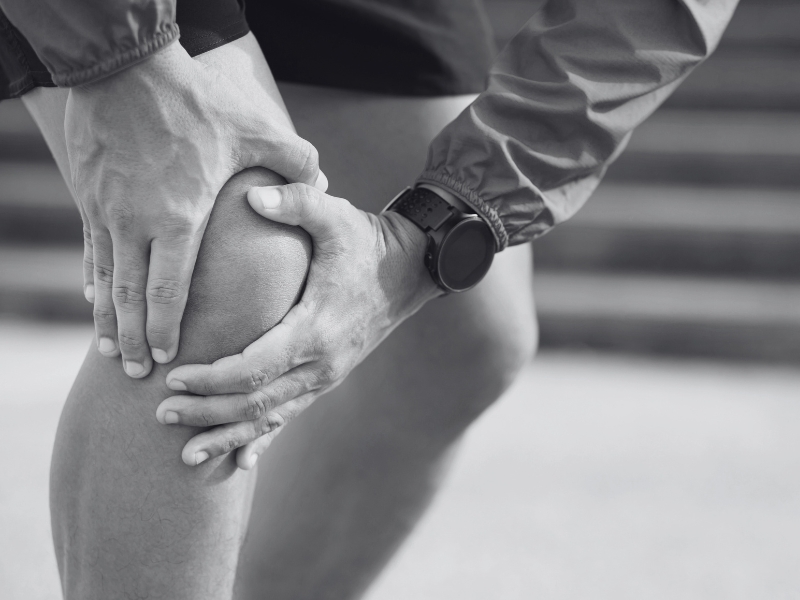
Recently, at Peninsula Performance Physio, we worked with a younger, highly active patient experiencing persistent knee pain that was limiting their ability to return to sport. This patient had been diagnosed with Osgood-Schlatter Disease, a common growth-related condition seen in active adolescents. It typically occurs during periods of rapid growth—most often between ages 8–13 in girls and 10–15 in boys—and is associated with repetitive stress on the patellar tendon where it attaches to the shinbone (tibial tuberosity).
This condition is particularly common in sports involving running, jumping, and sudden changes in direction, such as football, basketball, and netball. While it is considered self-limiting and often resolves with time, symptoms can significantly impact participation and performance if not managed appropriately.
Assessment Findings
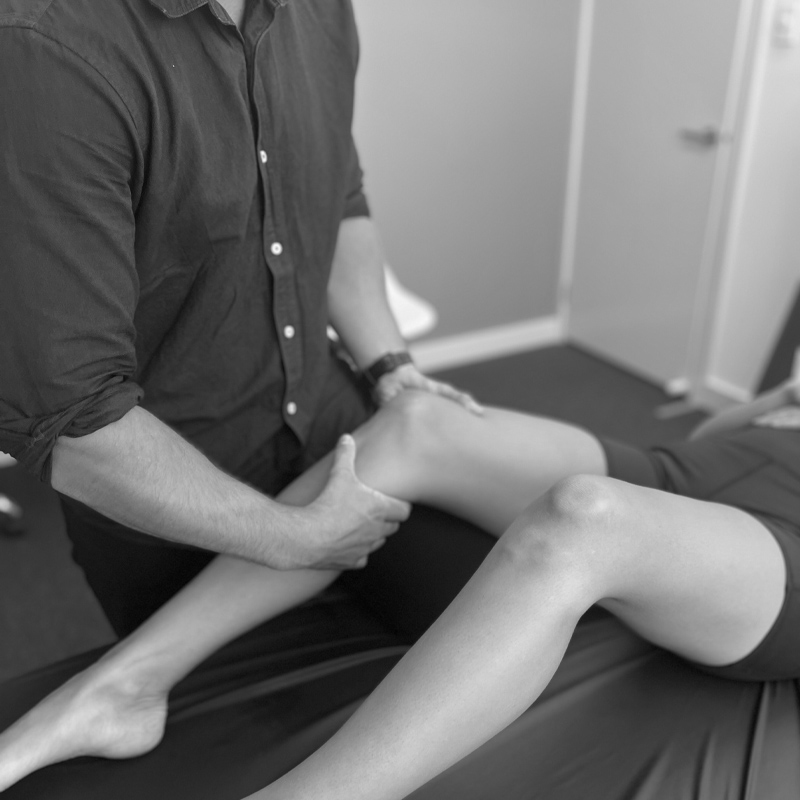
During our assessment, we used a single-leg decline squat—a functional test that increases load through the patellar tendon—to replicate the patient’s symptoms. This movement reproduced pain rated at 7/10 at the front of the knee, consistent with irritation at the tendon insertion.
To explore pain-modifying strategies, the patient was then asked to perform a single-leg wall sit, holding the position for 20–30 seconds. Immediately after this, the decline squat was reassessed, and pain levels dropped to 4/10. This rapid improvement provided valuable insight into how we could guide early-stage management.
Why Did This Help?
Isometric quadriceps contractions—like those performed during a wall sit—are well-supported in the literature for their pain-relieving effects. This phenomenon is thought to occur via a neurological mechanism, where sustained muscle contractions help “down-regulate” pain signals within the nervous system.
In addition, when the knee is painful, the quadriceps muscle group often becomes inhibited. This means the muscle doesn’t activate as effectively, leading to reduced strength, poor control, and increased strain on surrounding structures. Isometric exercises can help “re-engage” the quadriceps, restoring muscle activation without excessively loading the irritated tissue.
Management Plan
Based on these findings, the patient was prescribed a targeted lower limb strengthening program, with a particular focus on isometric exercises such as wall sits. This allowed them to begin rebuilding quadriceps strength in a way that was both safe and well-tolerated.
As symptoms settle, the next phase of rehabilitation will involve gradually increasing load through the tendon. This includes progressing to more dynamic and functional exercises—such as squats, lunges, and eventually running and jumping drills—while carefully monitoring symptoms.
Equally important is addressing movement quality. Ensuring good control through the hip, knee, and ankle helps distribute load more effectively and reduces stress on the knee.
Looking Ahead
Over the coming sessions, the goal is to progressively build strength, improve movement patterns, and safely reintroduce sport-specific activities. With the right balance of load management and strengthening, most young athletes with Osgood-Schlatter Disease can continue participating in sport and return to full performance as symptoms improve.
If you or your child is experiencing knee pain or struggling to stay active due to injury, early support can make all the difference. At Peninsula Performance Physio, our team provides personalised, evidence-based care to help young athletes recover safely and return to sport with confidence.
Let us support your recovery and performance journey
Book directly with a physio near you today and take the first step toward moving pain-free.