
Back Pain Treatment
What Should I Do if I’ve Thrown My Back Out?
If you’ve ever suddenly bent down, lifted something, twisted or reached for something and felt your lower back “go,” you’re not alone. Back pain treatment is one of our most popular services due to back injury commonality.
A “thrown out” back can cause sudden, intense lower back pain, stiffness and difficulty moving. While it can feel alarming, most episodes of acute back pain improve with the right approach and don’t necessarily mean you’ve seriously injured your spine.
The important question is: should you manage it at home or is it time to see a physio?
Here’s what to do if you’ve thrown your back out and when professional assessment is the better option.
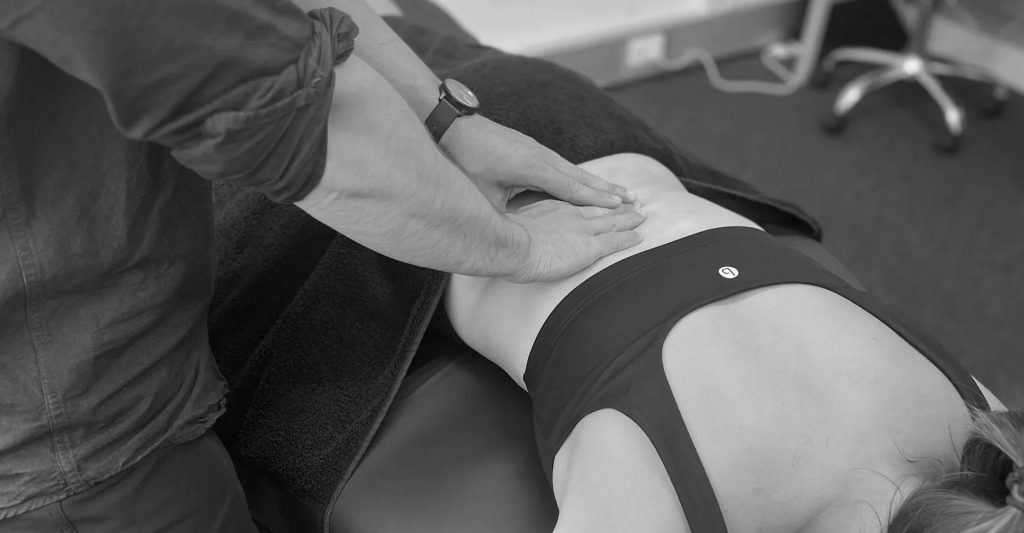
What Does It Mean to “Throw Your Back Out”?
“Throwing your back out” isn’t a specific medical diagnosis. It’s a common way of describing sudden-onset back pain, often after an awkward movement, lift, bend or twist.
There are many possible reasons for acute lower back pain, including irritation of the muscles, joints or other structures around the spine.
You may experience:
- Sudden or sharp lower back pain
- Muscle tightness or spasms
- Difficulty standing upright
- Pain when bending, twisting or changing position
- Stiffness after sitting or lying down
- Pain that makes everyday movements difficult
The good news is that severe pain doesn’t always mean severe damage. Your back can be extremely sensitive when it’s irritated, even when there isn’t a major injury.
What Should You Do Immediately?
When your back suddenly becomes painful, your first instinct might be to stay completely still. However, prolonged bed rest usually isn’t the best approach for uncomplicated acute back pain.
Instead, try these simple strategies.
1. Keep Moving Gently
You don’t need to push through severe pain, but gentle movement can help prevent your back from becoming increasingly stiff and sensitive.
Short, easy walks around the house can be a good starting point. Change positions regularly rather than staying in one position for long periods.
The goal is comfortable movement, not exercise or stretching through significant pain.
2. Find a Comfortable Position
There’s no single “correct” sleeping or sitting position for back pain.
Try different positions and use pillows for support if they make you more comfortable. For example, some people find lying on their side with a pillow between their knees or lying on their back with their legs supported more comfortable.
Let comfort guide you.
3. Use Heat or Cold if It Helps
Some people find a heat pack soothing when their back muscles feel tight or guarded, while others prefer cold.
Neither is essential for recovery, so use whichever provides temporary relief and feels comfortable.
4. Avoid Heavy Lifting for Now
If a particular movement triggered your pain, it makes sense to temporarily reduce activities that significantly aggravate your symptoms.
That doesn’t mean you need to avoid all movement.
As your pain settles, gradually returning to normal activities is generally more useful than avoiding movement indefinitely.
5. Don’t Panic
Acute lower back pain can be surprisingly painful. It can make simple movements like getting out of bed or putting your shoes on feel difficult.
Pain intensity alone doesn’t tell you exactly how serious the problem is.
If your symptoms are gradually improving and you don’t have any warning signs, conservative back pain treatment may be all that’s required.
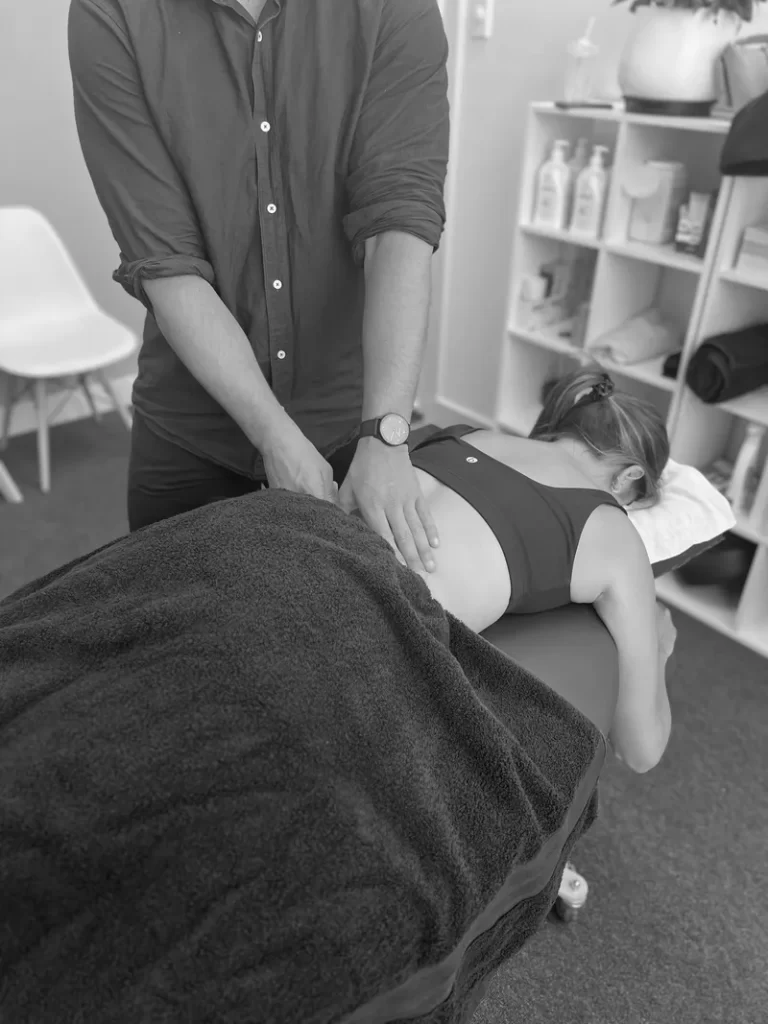
Don't Wait for a GP Referral
Book directly with a physio near you today and take the first step toward moving pain-free.
FAQ | Back Pain Treatment
Do I need a GP referral to see a physiotherapist for back pain treatment?
No — you don’t need a GP referral to see a physiotherapist in Australia. Physiotherapists are primary healthcare providers, which means you can book directly as soon as back pain starts. Early treatment can help reduce pain, improve movement, and prevent the issue from becoming long-term.
When should I see a physiotherapist first for back pain treatment?
For most cases of back pain, seeing a physiotherapist first is a great starting point. This includes pain caused by muscle strain, poor posture, lifting injuries, sports activities, or sitting for long periods. A physiotherapist can assess the cause of your pain, provide hands-on treatment, and guide you through exercises to support recovery and prevent future flare-ups.
When should I see a GP instead of a physiotherapist?
You should see a GP first if your back pain is accompanied by red flag symptoms, such as:
- Severe or worsening pain that doesn’t improve with rest
- Numbness, tingling, or weakness in the legs
- Loss of bladder or bowel control
- Fever, unexplained weight loss, or recent significant trauma
These symptoms may require medical investigation before starting physiotherapy.
Can a physiotherapist diagnose the cause of back pain?
Yes. Physiotherapists are trained to assess, diagnose, and treat musculoskeletal back pain. During your appointment, they’ll review your symptoms, movement, posture, and strength to identify the likely cause. If your physiotherapist suspects something that needs medical attention, they can refer you to a GP or specialist.
Is it better to start physio early for back pain treatment?
In many cases, starting physiotherapy early leads to faster recovery and better long-term outcomes. Early treatment can reduce pain, restore movement, and help you return to normal activities sooner. Waiting too long may allow the condition to worsen or become chronic.
When Can You Self-Manage Your Back Pain?
Self-management may be appropriate when:
- Your pain started after a relatively normal movement
- You can still walk and move, even if you’re uncomfortable
- Your symptoms are gradually improving
- You don’t have significant numbness or weakness
- You don’t have changes to your bladder or bowel function
- You don’t have other concerning symptoms
In these situations, gentle activity, pacing and gradually returning to normal movement can often be effective forms of back pain relief.
However, you don’t have to wait until your pain becomes severe before seeing a physiotherapist.

When Should You See a Physio For Back Pain Treatment?
A physiotherapist can assess what’s contributing to your pain, help you understand what movements are safe and develop an appropriate plan to get you moving again.
Consider booking a back pain physio appointment if:
- Your pain isn’t improving over several days
- You’re struggling to return to normal activities
- Your pain keeps coming back
- You’re unsure what exercises or movements are appropriate
- You’re avoiding movement because you’re worried about making your back worse
- Pain is interfering with work, sleep, exercise or everyday activities
- You want guidance on preventing future episodes
You don’t need to wait weeks before getting help. Early physiotherapy can provide reassurance, practical strategies and a structured plan for recovery.
When Should You See a Physio Immediately?
Some symptoms require more urgent assessment rather than simply waiting for your back pain to settle.
Seek prompt medical assessment if your back pain is accompanied by symptoms such as:
- New or significant weakness in your legs
- Numbness or altered sensation around the groin, inner thighs or buttocks
- New difficulty controlling your bladder or bowel
- Loss of sensation when passing urine
- Severe symptoms following significant trauma
- Severe or rapidly worsening symptoms with other concerning symptoms
- Fever or feeling significantly unwell alongside your back pain
- Unexplained weight loss or other symptoms that concern you
These symptoms can indicate that something more serious may be occurring and shouldn’t be managed solely at home.
If you’re unsure whether your symptoms are appropriate for physiotherapy, it’s better to seek medical advice.

What Can Back Pain Treatment Do for a “Thrown Out” Back?
One of the biggest benefits of physiotherapy is figuring out what you can do rather than simply telling you what to avoid.
Your physiotherapist may assess:
- Your back and hip movement
- Strength and mobility
- How your symptoms respond to different movements
- Your work, exercise and daily activities
- Factors that may be contributing to recurring episodes
Your back pain treatment may then include education, hands-on treatment where appropriate, specific exercises, movement strategies and a gradual return to your normal activities.
The aim isn’t simply to provide short-term back pain relief. It’s to help you regain confidence in your movement and reduce the likelihood of ongoing problems.
How Long Does a Thrown-Out Back Take to Recover?
Every person and episode of back pain is different.
For many people with uncomplicated acute lower back pain, symptoms improve significantly over the first few weeks. However, recovery can vary depending on the severity of symptoms, your activity levels, previous episodes of back pain and other individual factors.
Rather than focusing only on how quickly the pain disappears, look for signs of progress:
- You can move more easily
- You’re able to walk for longer
- Everyday activities become easier
- You’re sleeping better
- You’re becoming less worried about movement
- Your pain is becoming less frequent or intense
If you’re not seeing progress, that’s a good reason to have your symptoms assessed.
Looking for Back Pain Treatment in Cranbourne?
If you’ve thrown your back out and you’re wondering whether you should wait it out or get some help, a physiotherapy assessment can give you a clearer idea of what’s going on and what you should do next.
At Peninsula Performance Physio, we can assess your lower back pain, provide an individualised treatment plan and help you work towards getting back to the activities that matter to you.
Whether you’re dealing with a sudden episode of back pain or recurring symptoms, you don’t necessarily have to wait for the pain to disappear on its own.
If your back pain isn’t improving, is limiting your normal activities or you’re unsure what to do next, book an assessment with our team.

Looking for Back Pain Physio in Cranbourne?
If you’ve thrown your back out and you’re wondering whether you should wait it out or get some help, a physiotherapy assessment can give you a clearer idea of what’s going on and what you should do next.
At Peninsula Performance Physio, we can assess your lower back pain, provide an individualised treatment plan and help you work towards getting back to the activities that matter to you.
Whether you’re dealing with a sudden episode of back pain or recurring symptoms, you don’t necessarily have to wait for the pain to disappear on its own.
If your back pain isn’t improving, is limiting your normal activities or you’re unsure what to do next, book an assessment with our team.